Most fantasy managers treat player durability like a binary switch. They think a player is either "injured" or "good to go." In my four years of interviewing physios and strength coaches, I’ve learned that’s a rookie mistake. Durability isn't a static trait; it’s a capacity. It’s the ability to absorb a season’s worth of hits and still move at 95% capacity by week 14 or the business end of an IPL season.
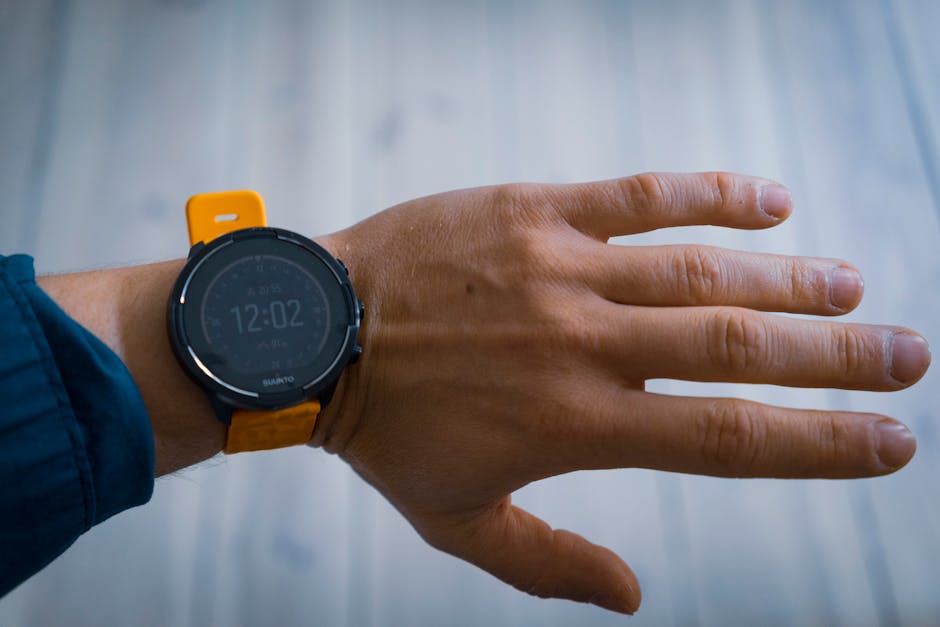
When broadcasts talk about "load management" or "rotational strain," they’re usually fluffing the airtime. They aren't explaining the physiological toll. My running note of "things broadcasts mention but nobody explains" is mostly just a list of terms commentators use to fill silence while the physio walks onto the pitch. Let’s cut the noise. Here is what durability actually https://enyenimp3indir.net/how-to-write-about-athlete-wellness-without-sounding-like-a-doctor/ means for your lineup today.
Availability is Your Only Real Metric
There is no "hidden potential" in a player who is watching from the bench because of a lingering calf strain. In fantasy cricket and football, season-long consistency is built on one foundation: availability. If a player is a high-ceiling athlete who averages 30 games a year, their durability is a liability, not an asset.
When I’m building a squad, I stop looking at the "projected points" and start looking at the "projected participation." If you’re playing on platforms like Possible11, you’re likely seeing data points that suggest who is in the 11, but that’s just a snapshot. Durability is about the trend line of that player’s health over the last 24 months.
The "Recovery Window" Reality
We’ve all seen the late-season collapses. A team goes on a run, their star players get heavy minutes, and suddenly their performance drops off a cliff. That’s a missed recovery window. When players move between cities, play back-to-back matches, or deal with intense training cycles, their cortisol levels spike and their central nervous system (CNS) fatigues.
You can’t just "push through" fatigue in modern sports. Physios I’ve spoken to call it the "cumulative load." If you see a player looking sluggish in the 70th minute or dropping their pace in the final overs, that’s not a bad day—that’s a recovery deficit.
Sleep Consistency and Travel Fatigue
The biggest factor in player durability isn't their workout routine; it’s their sleep. I once asked a team coach what the single biggest predictor of soft-tissue injury was during travel-heavy stretches. He didn't say "lack of gym time." He said, "three nights of sub-six-hour sleep."
Travel fatigue isn't just "being tired." It’s a breakdown in cognitive reaction time. In cricket, that’s the difference between picking the line early and getting trapped LBW. In football, it’s the half-second delay in closing down a winger. Tools like Releaf are starting to bridge the gap between performance monitoring and recovery, helping athletes manage the very factors that kill fantasy lineups.
Factor Fantasy Impact What to Watch Back-to-Back Fixtures High risk of rotation Watch team livestreams for pre-match comments. International Travel CNS fatigue Check apps for flight duration/timezone shifts. Post-Injury Return Performance ceiling Look for "minutes restricted" flags.Wearables and the Illusion of Certainty
We live in the era of sports tech visibility. Every player is wearing GPS trackers, heart-rate monitors, and sleep rings. But here is the catch: You aren't seeing that data. When https://xn--toponlinecsino-uub.com/player-fatigue-and-fantasy-sorting-signals-from-noise/ you see an "injury report" or a "fitness update," remember that teams have a massive incentive to lie. They want to keep the opposition guessing.
Stop trusting the "official" word. Instead, look for the subtle signs that a player is being managed:
- Are they training individually during open sessions? Is the team using NICE-integrated data or similar recovery tech to track player loads? (Often mentioned in post-match pressers). Are they suddenly being subbed off early in comfortable wins?
Wellness-Aware Fantasy Decision-Making
How do we actually apply this to a roster? It’s not about avoiding injured players; it’s about acknowledging the risk of their workload. If you’re playing a long-format league, you need "durability anchors"—players who have a track record of playing 85-90% of available minutes.
I apply a simple filter when selecting my captain:
The Availability Filter: Has this player been on an injury report in the last 6 weeks? If yes, keep them, but never make them your "set-and-forget" captain. The Schedule Check: Look at the match frequency. If they are playing three games in seven days, their output will drop. Rotate them out. The "Body Language" Test: During livestreams or match broadcasts, watch how they warm up. Are they favoring a side? Are they wearing extra tape? Don't wait for the official tweet.If you ignore these signs, you’re just gambling. Fantasy isn't about predicting a breakout performance; it’s about managing a roster over 20+ weeks. You win by being the person who swaps out the fatigued asset for the fresh one, not by being the person who stubbornly waits for a "star" to return to form.

The "No-Fluff" Summary
Stop over-valuing raw talent and start valuing the physiology of the athlete. A 7/10 player who plays every single minute will almost always outscore a 9/10 player who misses a third of the season. Use the tools at your disposal—track the travel, watch the pressers, and use apps to keep a close eye on the actual availability, not just the name on the back of the jersey.
At the end of the day, your lineup isn't a list of names. It’s a portfolio of assets. If you don't treat your assets with a bit of skepticism, don't be surprised when your season-long consistency goes up in smoke by mid-season.
Final Checklist for Your Next Match Day:
- Check the 7-day match density (are they playing 3 games in a week?). Review the last 5 press conferences for any mention of "managing loads." Cross-reference availability on Possible11 to see if the rotation trend matches the player's recent workload. If a player has been traveling extensively, adjust your expectations for their output—fatigue is a real stat, even if your fantasy app doesn't show it as a column.
Don’t fall for the hype. Look at the legs, not the highlights. That is how you stay competitive until the final whistle.